Wedding Planners in Mallorca: How to Find the Right One for Your Day
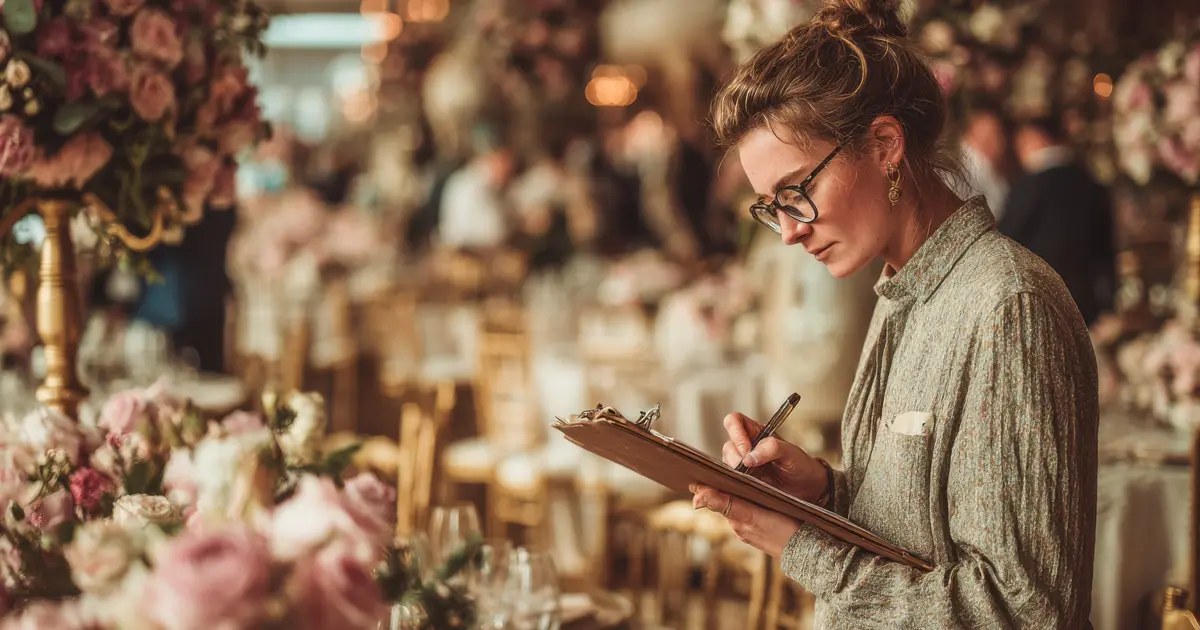
Planning a wedding in Mallorca from abroad is one of the most exciting things you'll ever do — and one of the most logistically complex. A different country, a different language, suppliers you've never met, a venue you may have only visited once, and hundreds of moving parts that all need to come together on a single day. This is exactly why the right wedding planner is not a luxury. For most international couples, it is the single most important hire they make.
But not all planners are equal, and choosing the wrong one — or choosing none at all — can turn what should be the happiest day of your life into the most stressful. This guide will help you understand exactly what a Mallorca wedding planner does, what different service levels involve, what you should expect to pay, and the precise questions that separate the truly exceptional planners from the merely adequate ones.
Do You Actually Need a Wedding Planner in Mallorca?
This is the question most couples ask first, usually while looking at planner fees and wondering if they could simply manage things themselves. The honest answer depends on your situation — but for most international couples, the answer is a clear yes.
Here's the reality of planning a Mallorca wedding from abroad without professional help:
- You'll be communicating with 10–15 suppliers in a different timezone, often in Spanish
- You won't know which caterers are reliable and which have let couples down
- You'll have no leverage when a supplier cancels or raises their price close to the date
- You won't know the local regulations around noise, permits and event licences
- On the wedding day itself, you'll be managing logistics instead of getting married
- Small mistakes that a local professional would catch instantly can become expensive disasters
A good Mallorca wedding planner typically saves couples more than their fee through supplier relationships, avoided mistakes and the time they reclaim. More importantly, they give you something that money genuinely cannot buy back: the ability to be fully present on your wedding day.
The one exception: If you're planning a very small wedding (under 20 guests), are happy with a simple setup and have significant event planning experience yourself, on-the-day coordination alone may be sufficient. For everyone else — full or partial planning is strongly recommended.
The Three Levels of Wedding Planning Service
Mallorca wedding planners typically offer three distinct service tiers. Understanding the difference between them is essential before you start making enquiries.
- You plan everything yourself
- Planner steps in 4–6 weeks before
- Confirms all suppliers
- Creates day-of timeline
- Manages the day on-site
- Handles issues as they arise
- You handle some elements
- Planner joins at agreed stage
- Supplier recommendations
- Budget management support
- Venue and vendor liaison
- Full day-of management
- Timeline and logistics
- Complete end-to-end service
- From vision to final invoice
- All supplier sourcing
- Contract negotiation
- Design and styling direction
- Guest management
- Travel and accommodation
- Full day-of team on-site
The vast majority of international couples planning a Mallorca wedding opt for partial planning or full service. On-the-day coordination works well for couples who are based in Spain, have existing local knowledge and supplier relationships, or are planning a very simple celebration.
What Does a Mallorca Wedding Planner Actually Do?

The scope of a wedding planner's work is far broader than most couples initially imagine. Here's what a full-service planner in Mallorca typically handles from first consultation to wedding day:
Before the Wedding
- Vision and concept development — translating your ideas, Pinterest boards and mood into a coherent, achievable design direction
- Budget creation and management — building a realistic budget, tracking spending and flagging when things are heading off course
- Venue sourcing and negotiation — shortlisting venues that match your brief, arranging visits and negotiating contracts on your behalf
- Supplier sourcing and vetting — recommending only tried-and-tested suppliers from their personal network, and managing the tendering process
- Contract review — reading the fine print so you don't have to, and flagging unfair clauses before you sign
- Legal and permit requirements — navigating Spanish marriage law, noise permits, event licences and any site-specific regulations
- Guest management — accommodation recommendations, transport logistics, dietary requirements and RSVP tracking
- Design and styling — floristry briefs, linen and tableware selection, lighting design and décor sourcing
- Timeline creation — building a minute-by-minute schedule for the day that accounts for every supplier, guest movement and contingency
On the Wedding Day
- On-site from first supplier arrival (often 7–8am) to final guest departure
- Coordinating all suppliers — caterers, florists, musicians, photographers, transport
- Managing the ceremony space, cocktail hour and reception setup
- Keeping the timeline on track without the couple ever feeling rushed
- Solving problems invisibly — so the couple never knows they existed
- Being the single point of contact for every supplier and family member
- Managing the breakdown and ensuring the venue is left correctly
How to Choose the Right Wedding Planner: 12 Questions to Ask

The initial consultation with a potential wedding planner is your most important opportunity to assess whether they're the right fit. Chemistry matters enormously — you'll be working closely with this person for 12–18 months. But beyond personality, these twelve questions will reveal their professionalism, experience and approach:
- 01How many weddings do you take per year, and how many do you have on the same day as mine? A serious planner limits their calendar to ensure each couple gets their full attention. More than 2–3 weddings per weekend is a red flag.
- 02Can you show me a portfolio of weddings similar to mine in scale and style? A planner who specialises in 300-guest luxury events may not be the right fit for an intimate 30-person celebration, and vice versa.
- 03How long have you been working in Mallorca specifically? Island-specific knowledge matters enormously — supplier relationships, venue quirks, local regulations and seasonal considerations are all highly localised.
- 04Do you receive commissions from the suppliers you recommend? Some planners take referral fees. This isn't necessarily wrong, but it should be disclosed. You want to know whether recommendations are genuinely in your interest.
- 05Who specifically will be working on my wedding? Make sure you know if you're hiring the senior planner or a junior coordinator. Some agencies take on more than they can handle and delegate without telling clients.
- 06What happens if you're ill or have an emergency on my wedding day? Every professional planner has a backup plan. If they don't, walk away.
- 07Can you provide references from couples whose weddings you've planned in the past two years? Don't just read testimonials on their website — ask to speak with real past clients.
- 08How do you handle supplier disputes or poor performance? Things go wrong. What matters is how problems are managed. A good planner will have clear, calm answers to this question.
- 09What is your communication style and how often will we be in touch? Understand whether they use email, WhatsApp, video calls, or a project management platform. Communication style compatibility is crucial over a 12–18 month planning period.
- 10What's included in your fee — and what isn't? Get complete clarity on what's covered. Travel costs, additional assistant fees and any expenses should all be specified in writing.
- 11Do you have professional indemnity and public liability insurance? Non-negotiable. Any professional working at events should have appropriate cover.
- 12What do you love most about your work? The answer to this question tells you everything about whether someone is in this profession for the right reasons — and whether their passion will translate into exceptional care for your day.
Red Flags & Green Flags: How to Spot a Great Planner
Beyond the formal questions, there are telling signals in every interaction with a potential planner. Here's what to watch for:
- Vague or evasive answers about their process
- No written contract or unclear terms
- Pressure to book quickly or lose a "slot"
- Can't provide recent client references
- Takes on unlimited weddings per year
- No backup plan for emergencies
- Dismisses your questions or budget concerns
- Undisclosed supplier commissions
- Poor communication during the enquiry stage
- No professional insurance
- Asks thoughtful questions about your vision before quoting
- Transparent about fees, commissions and process
- Has a clear, detailed contract
- Offers references enthusiastically
- Limits their calendar to ensure quality
- Has a named backup for emergencies
- Communicates promptly and clearly
- Deep local knowledge — knows venues personally
- Fully insured with documented cover
- Makes you feel heard, not sold to
What Does a Wedding Planner in Mallorca Cost in 2026?
Wedding planner fees in Mallorca vary depending on the level of service, the planner's experience and reputation, and the complexity of your wedding. Here's a realistic breakdown of what to expect at each level:
On-the-day coordination: €1,500 – €3,000. Suitable for simple weddings where all planning has been done independently. Planner steps in 4–6 weeks before the date.
Partial planning (last 3–6 months): €3,000 – €7,000. The most popular choice for international couples. Planner takes over at a defined point, manages remaining suppliers and handles the day.
Full planning service: €6,000 – €20,000+. Complete end-to-end management from initial concept to post-wedding wrap-up. Essential for complex weddings, large guest counts or couples with very limited time to plan.
Luxury / bespoke planning: €15,000 – €40,000+. Reserved for the most demanding, large-scale or high-profile weddings. Includes a full team, creative direction, design management and highly personalised service.
A word on value: the best wedding planners in Mallorca are booked 18–24 months in advance for peak season dates. If you find a highly recommended planner available at very short notice for a July or August wedding, ask yourself why.
When Should You Book Your Wedding Planner?
The short answer: as early as possible, and almost certainly before you book your venue.
This surprises many couples who assume the venue comes first. But a good planner will have strong opinions about venues — which ones are well-run, which have noise restrictions that will curtail your evening, which have exclusive caterers that limit your options. Booking a planner before a venue means you benefit from their knowledge at the most consequential decision point.
- Peak season (June–September) weddings: Book your planner 18–24 months in advance. The best planners fill their calendars very early for these dates.
- Shoulder season (April, May, October) weddings: 12–18 months ahead is usually sufficient for most planners, though the very best will still fill up early.
- Off-season (November–March) weddings: 6–12 months is typically adequate, with more availability across all planners.
Practical tip: Even if you're not ready to book, reach out to your shortlisted planners to check availability for your preferred dates. Many will hold a date briefly for serious enquiries — a courtesy that costs nothing and could save your dream date.
Local Mallorca Planner vs. International Destination Planner: Which Is Right for You?
Some couples consider hiring a destination wedding planner from their home country who organises weddings internationally. This can work, but there are important trade-offs to understand:
A locally based Mallorca planner offers:
- Deep, current knowledge of the local supplier market — including who to use and who to avoid
- Established relationships that translate into better service and sometimes better pricing
- The ability to visit venues, meet suppliers and solve problems in person
- Fluency in Spanish and understanding of local business culture
- Knowledge of regulations, permits and seasonal nuances that change year to year
An international destination planner may offer:
- Communication in your native language from the very beginning
- Familiarity with the expectations of couples from your home country
- An existing relationship if they've planned other events for your family or social circle
For most international couples planning a Mallorca wedding, a locally based planner with strong English (and ideally German or French) communication skills is the optimal choice. The local knowledge advantage is simply too significant to trade away.
Find Your Perfect Wedding Planner
Browse our verified directory of Mallorca wedding planners — all locally based, all experienced with international couples. Contact them directly, no middlemen.
Browse Wedding Planners →Final Thoughts
The right wedding planner is not an expense — it's an investment in the quality of your experience. The best ones don't just execute logistics; they carry the weight of the day so that you don't have to. They absorb the stress, solve the problems and create the conditions in which you can be completely, unreservedly present in one of the most significant moments of your life.
Take your time choosing. Ask every question. Check every reference. And trust your instincts — if the chemistry isn't right in the first conversation, it won't be right on your wedding day either.
The planners in our directory are all locally based in Mallorca, experienced with international couples, and available to hear from you directly. Start the conversation today.